
The Women’s Asia Cup 2026 has entered its most important phase. After an action-packed group stage, only four teams remain in contention for the trophy. India, Bangladesh, Sri Lanka and Pakistan have secured their places in the semi-finals, with the knockout matches set to decide which two teams will compete for the championship on September 13.
India will face Bangladesh in the first semi-final on September 10, while defending champions Sri Lanka will meet Pakistan on September 11. Both semi-finals will be played at the Dubai International Cricket Stadium, with the matches scheduled for 8:00 PM IST. The final will take place at the same venue on September 13.
The group stage produced several convincing performances, but knockout cricket brings a different kind of pressure. There is no opportunity to recover from a defeat, making every batting partnership, bowling spell and captaincy decision much more important.
India Enter the Knockouts as Major Favourites
India have arguably produced the most dominant group-stage campaign. Harmanpreet Kaur’s team won all three of their Group A matches and finished at the top with six points.
Their victories also came in impressive fashion. India defeated Thailand by 94 runs, Hong Kong, China by 137 runs and Pakistan by seven wickets. The results showed that India can win through both their batting strength and their bowling depth.
Against Hong Kong, Smriti Mandhana produced a remarkable 124 from 64 balls, helping India reach 193 for five. Against Pakistan, India’s bowlers were the stars as they dismissed their opponents for only 55.
That balance will be important in the semi-final. Bangladesh will know that stopping India’s openers is a major priority, but India’s bowling attack means the team has several other ways to influence a match.
India vs Bangladesh: The First Knockout Test
The first semi-final brings India and Bangladesh together on September 10.
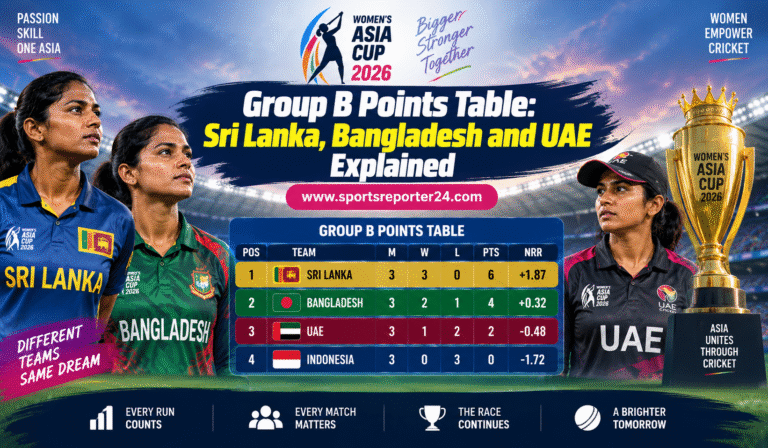
On current tournament form, India enter as favourites. They have remained unbeaten, while Bangladesh finished second in Group B after winning two of their three matches. The match will begin at 8:00 PM IST in Dubai.
However, Bangladesh should not be dismissed simply because India have been more dominant in the group stage.
There is significant history between the teams in the Women’s Asia Cup. Bangladesh famously defeated India in the 2018 final to win their first continental title. That result remains one of the biggest upsets in the competition’s history.
The current Indian side is considerably more experienced, but the previous encounter provides Bangladesh with a reminder that knockout matches can produce unexpected results.
Smriti Mandhana Will Be a Major Threat
Smriti Mandhana is likely to be one of the central figures in India’s semi-final.
The left-handed opener has been in outstanding form throughout the tournament. Her 124 against Hong Kong was the standout performance, while her overall contribution at the top of the order has given India an excellent platform.
Mandhana’s ability to score boundaries during the powerplay can change the shape of a match quickly. Bangladesh’s bowlers will therefore need a clear plan for dealing with her.
However, India’s reliance on Mandhana and Shafali Verma also provides Bangladesh with an obvious tactical target. The two openers have contributed a significant share of India’s runs in this tournament, while the middle order has not been as consistent.
If Bangladesh can take early wickets, India’s middle order could face its toughest examination of the tournament.
Shafali Verma Adds Another Dimension
India’s other opening batter, Shafali Verma, provides a completely different style of pressure.
While Mandhana can combine timing with controlled aggression, Shafali is capable of attacking bowlers from the beginning. Her 64 against Thailand demonstrated her ability to change the momentum of an innings quickly.
She has also passed 100 runs in the tournament and has maintained an impressive scoring rate.
Bangladesh will need to prevent both openers from settling. Allowing Mandhana and Shafali to establish a large opening partnership could make the semi-final extremely difficult for the Bangladesh bowling attack.
India’s Middle Order Could Decide the Match
One of the more interesting questions surrounding India is the form of their middle order.
The opening pair has taken much of the responsibility during the group stage, while players such as Harmanpreet Kaur, Richa Ghosh, Bharti Fulmali and Deepti Sharma have had fewer opportunities to dominate.
That could change in the semi-final.
Bangladesh will understand that early wickets can expose the middle order, making the performances of India’s No. 3 and lower-order batters particularly important.
Shafali has expressed confidence in the Indian middle order ahead of the knockout match, highlighting the quality available in players such as Richa Ghosh and Bharti Fulmali.
If these players produce a strong performance, India’s batting lineup will become considerably harder to contain.
India’s Spin Attack Could Control the Middle Overs
Bowling could be another major advantage for India.
Deepti Sharma, Sree Charani and Prema Rawat have formed an effective spin combination during the tournament. Their ability to restrict scoring and take wickets in the middle overs has repeatedly placed opposition batting lineups under pressure.
The performance against Pakistan was particularly impressive. Pakistan were bowled out for 55, with Sree Charani and Prema Rawat taking three wickets each while Deepti Sharma added two.
On the Dubai surface, India’s spinners could again play an important role.
Bangladesh will need to avoid losing several wickets during the middle overs because recovering from a collapse against India’s spin attack could be extremely difficult.
Bangladesh Have Nothing to Lose
Bangladesh enter the semi-final in a very different position from India.
India carry the weight of being favourites, while Bangladesh can approach the contest with the mindset of an underdog.
They have already secured a place in the final four, meaning there is less pressure on them compared with a team expected to win the tournament.
That could allow Bangladesh’s players to play more freely. Their campaign has included victories over Indonesia and UAE, while their only group-stage defeat came against unbeaten Sri Lanka.
Bangladesh’s qualification was confirmed after they defeated UAE by 34 runs in their final group match. Rabeya Khan took three wickets, while Nahida Akter and Marufa Akter claimed two each.
Nigar Sultana’s Leadership Will Matter
Bangladesh captain Nigar Sultana will have an important role in managing the semi-final.
Against a team with India’s batting depth and bowling variety, Bangladesh will need to make smart decisions with field placements and bowling changes.
Nigar also provides experience in the batting lineup. Bangladesh will need contributions from their top order because putting pressure back on India requires a competitive total.
If Bangladesh can build a solid opening partnership and preserve wickets for the final overs, they could give themselves a realistic opportunity to challenge India.
Sri Lanka Are Defending Their Crown
The second semi-final brings together Sri Lanka and Pakistan on September 11.
Sri Lanka have been one of the most consistent teams in the tournament. The defending champions finished Group B unbeaten, collecting six points from three matches.
They defeated UAE, Indonesia and Bangladesh during the group stage and finished first in their group.
That record makes Sri Lanka another major contender for the trophy. They also have the experience of winning the previous edition, which could prove valuable when dealing with the pressure of knockout cricket.
Their match against Pakistan should therefore be closely contested.
Pakistan Have the Bowling Weapons
Pakistan’s strongest weapon during the tournament has been their bowling attack.
The standout performance came from Nashra Sundhu, who took 6/7 against Hong Kong, China. Her spell was one of the most impressive bowling performances of the competition.
Pakistan also have other useful bowling options, including Sadia Iqbal, Tuba Hassan and captain Fatima Sana.
Against Sri Lanka, Pakistan’s bowlers will need to produce another disciplined performance because Sri Lanka possess experienced batters capable of building innings under pressure.
Pakistan Need More From Their Batting
Pakistan’s batting has been less consistent than their bowling.
Their lowest point came against India, when they were dismissed for just 55. Although they bounced back strongly against Hong Kong, they will need a more reliable batting performance against Sri Lanka.
Players in the top and middle order will have to handle Sri Lanka’s bowling attack carefully. Losing early wickets could put Pakistan under pressure once again.
The semi-final therefore represents an opportunity for Pakistan to demonstrate that they are more than a team reliant on individual bowling performances.
Sri Lanka’s Experience Could Be Crucial
Sri Lanka’s status as defending champions gives them a valuable advantage.
They have already experienced the pressure of a final and know what it takes to win the tournament. Their unbeaten group-stage campaign also suggests that they have maintained a high level of consistency.
Chamari Athapaththu remains one of the players Pakistan will need to watch closely. Her ability to contribute with both bat and ball gives Sri Lanka an important all-round option.
Pakistan will need to prevent her from controlling the match.
Dubai Conditions Could Influence the Knockouts
The conditions in Dubai could also become an important factor.
Teams have already shown that spin bowling can be effective, while batters who take time to understand the surface have generally been better placed to construct innings.
This means the powerplay may not always be about hitting every ball aggressively. Batters may need to assess conditions before accelerating.
The team that adapts faster could gain a major advantage, particularly in a close semi-final.
The Importance of the Powerplay
The opening six overs could play a major role in both semi-finals.
For India, Mandhana and Shafali will look to give their team a fast start. Bangladesh’s bowlers must therefore focus on limiting boundaries without giving the openers too many scoring opportunities.
In the Sri Lanka-Pakistan match, both sides will have similar objectives. Early wickets could change the balance of the contest, while a strong powerplay could provide the batting team with flexibility later in the innings.
T20 knockout matches are often decided by small periods of dominance, making the powerplay particularly important.
Death Overs Could Decide the Semi-Finals
The final five overs of an innings will also be crucial.
Teams that preserve wickets can accelerate dramatically during this phase, while bowlers must execute their plans under considerable pressure.
India possess several players capable of finishing an innings strongly, while Pakistan’s bowling attack has already demonstrated that it can take wickets at crucial moments.
Sri Lanka and Bangladesh will also need to ensure that their batting lineups have enough wickets available when they reach the final overs.
A Potential India-Pakistan Final
One of the most exciting possibilities is an India-Pakistan final on September 13.
That outcome would require India to defeat Bangladesh and Pakistan to overcome Sri Lanka.
India have already defeated Pakistan during the group stage, but a final would be a completely different contest. The pressure, atmosphere and significance of the match would be considerably greater.
However, neither team can look beyond its semi-final opponent. Bangladesh have the history of their 2018 Asia Cup final upset, while Sri Lanka remain unbeaten and are defending champions.
Sri Lanka Could Stand Between India and the Trophy
If India reach the final, they could potentially face Sri Lanka.
That would create another fascinating storyline because Sri Lanka defeated India in the 2024 Women’s Asia Cup final.
India therefore have more than one potential challenge ahead if they reach the championship match.
The semi-final against Bangladesh must come first, but the possibility of another India-Sri Lanka final adds further intrigue to the knockout stage.
What Fans Should Watch in the Knockouts
Several individual battles could determine the outcome of the remaining matches.
Mandhana against Bangladesh’s bowling attack will be one of the most important. Shafali’s powerplay aggression is another factor Bangladesh must control.
For Pakistan, the performance of their top-order batters could determine whether their bowlers have enough runs to defend. Against Sri Lanka, Nashra Sundhu and the rest of Pakistan’s attack will need to maintain pressure throughout the innings.
Sri Lanka, meanwhile, will look to their experienced players to handle the pressure of a knockout match.
The Road to September 13
The knockout schedule is straightforward but unforgiving.
India face Bangladesh on September 10 in the first semi-final. Sri Lanka then meet Pakistan on September 11 in the second semi-final. The winners will advance to the final on September 13. All three knockout matches are scheduled for the Dubai International Cricket Stadium at 8:00 PM IST.
There is no second chance once the semi-finals begin. The teams that have performed consistently during the group stage must now reproduce that form under much greater pressure.
What to Expect From the Women’s Asia Cup 2026 Knockouts
The group stage has already provided several memorable moments, but the knockout stage is where the tournament will truly be decided.
India enter the semi-finals unbeaten and with one of the strongest all-round squads in the competition. Bangladesh will rely on their underdog mentality and the ability to handle pressure.
Sri Lanka have the advantage of being defending champions and have also remained unbeaten, while Pakistan possess a dangerous bowling attack capable of changing a match in a few overs.
The biggest question is whether the teams that dominated the group stage can maintain their momentum when the margin for error disappears.
India and Sri Lanka may enter their respective semi-finals as favourites, but knockout cricket rarely follows simple predictions. A quick start, an unexpected bowling spell, a crucial partnership or a late-innings collapse can completely change the direction of a match.
With the final scheduled for September 13, the next three matches will determine who has the composure, consistency and quality required to become the Women’s Asia Cup 2026 champion.